
Last updated October 16, 2026
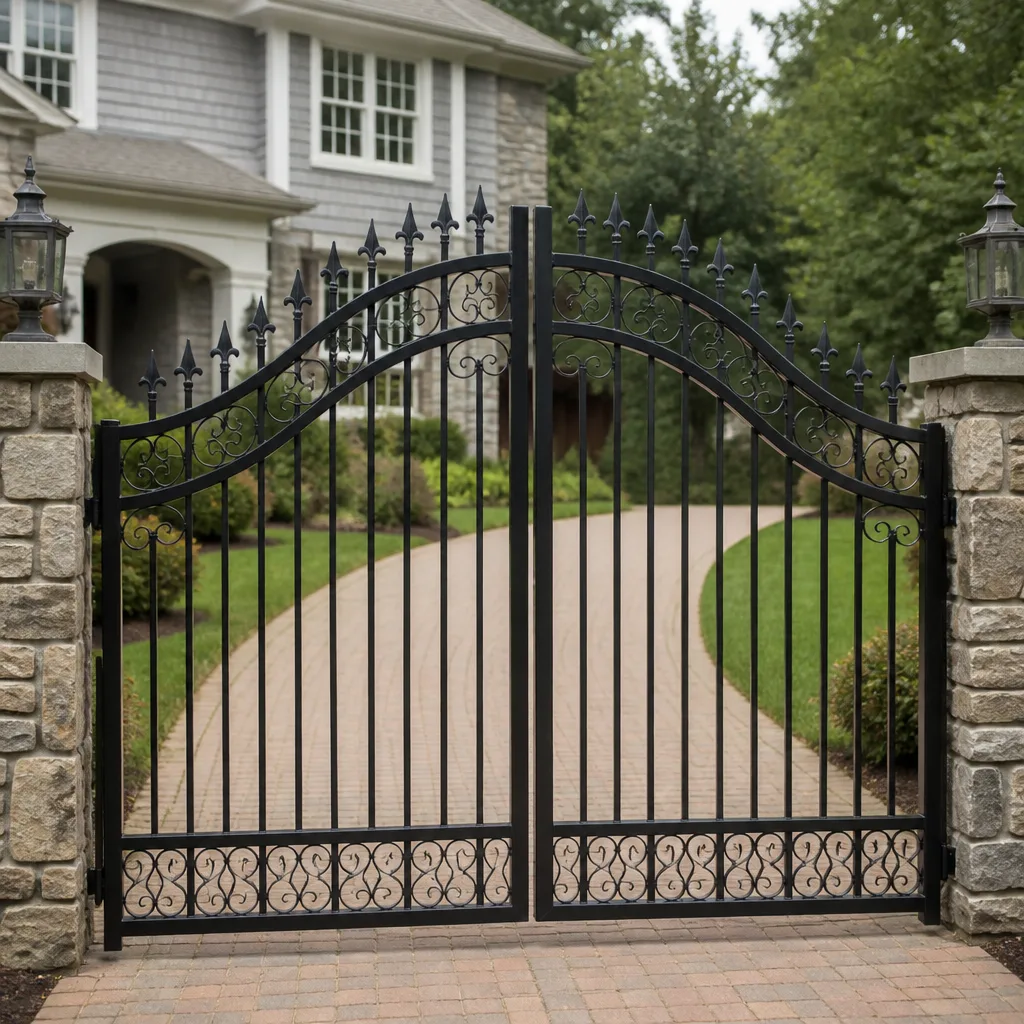 Wrought iron
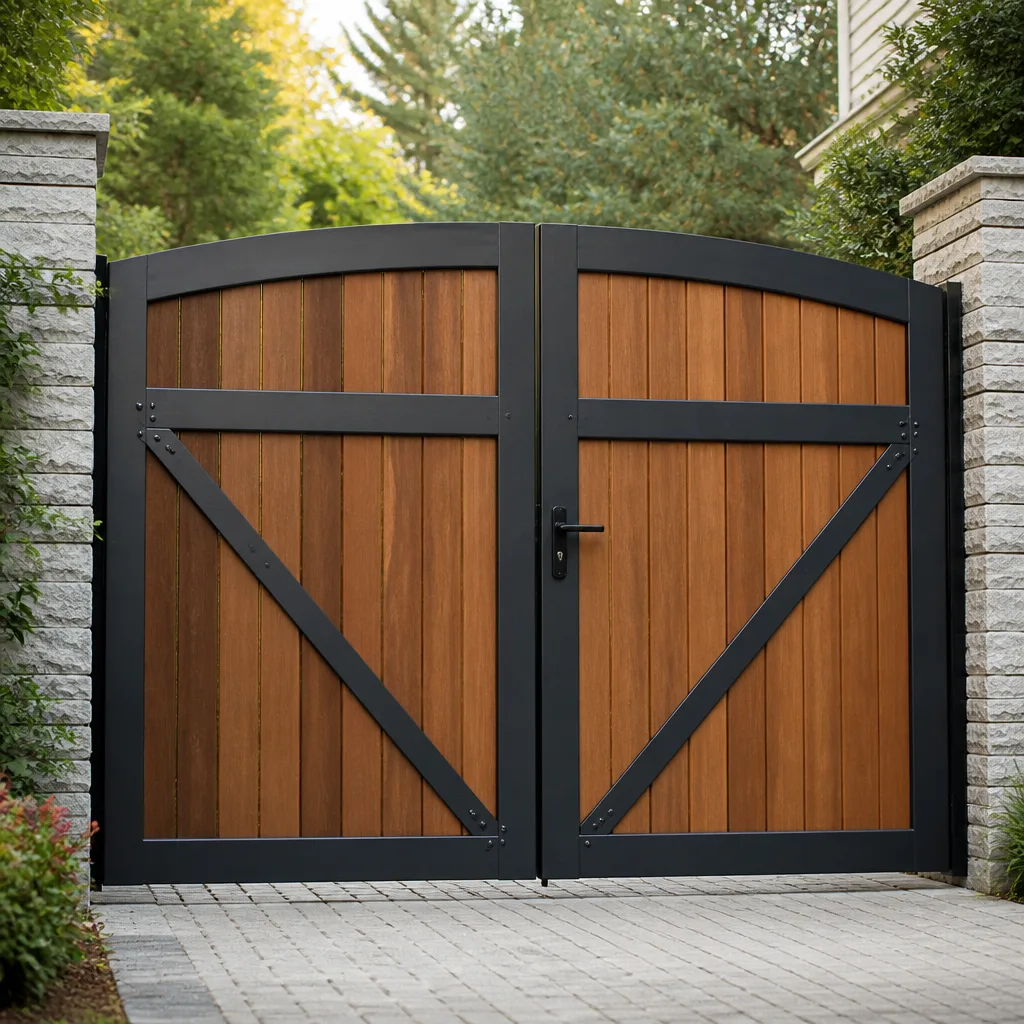 Wood & steel frame
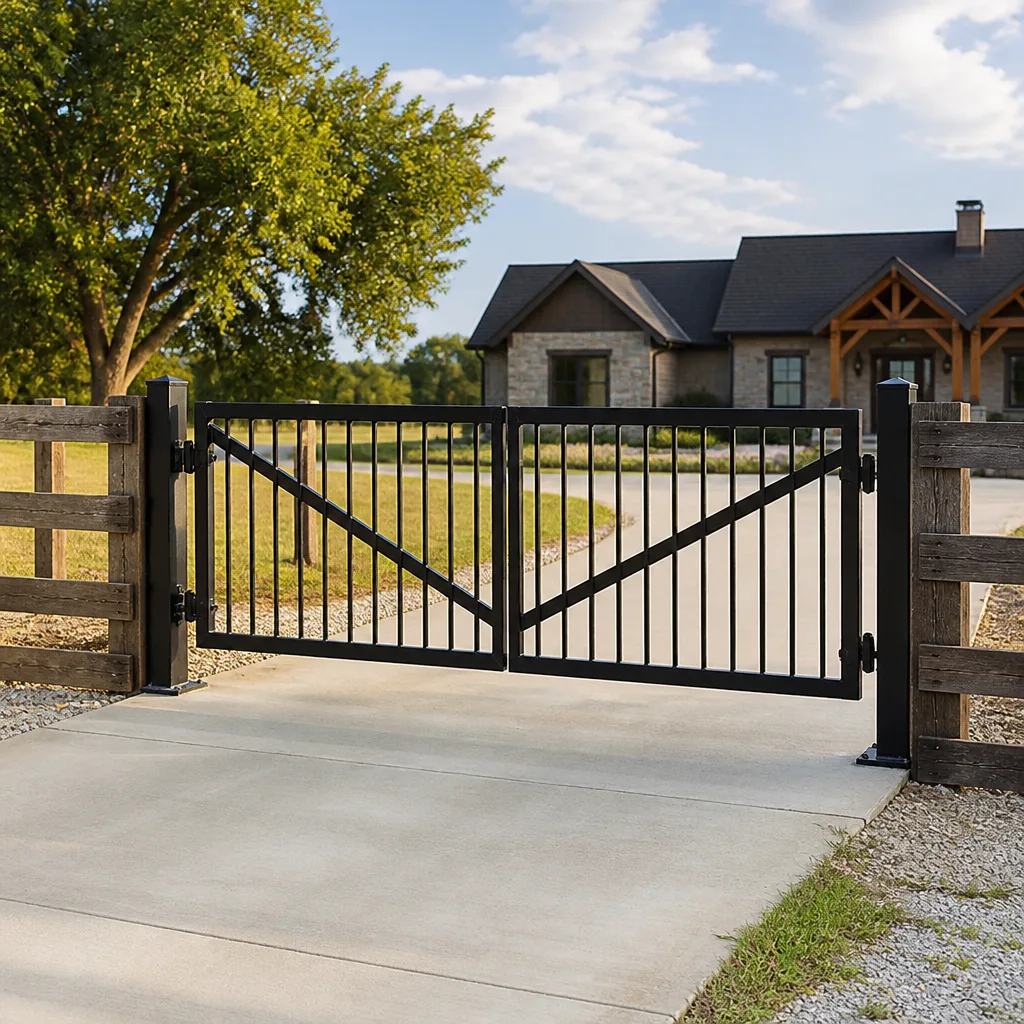 Farm & ranch
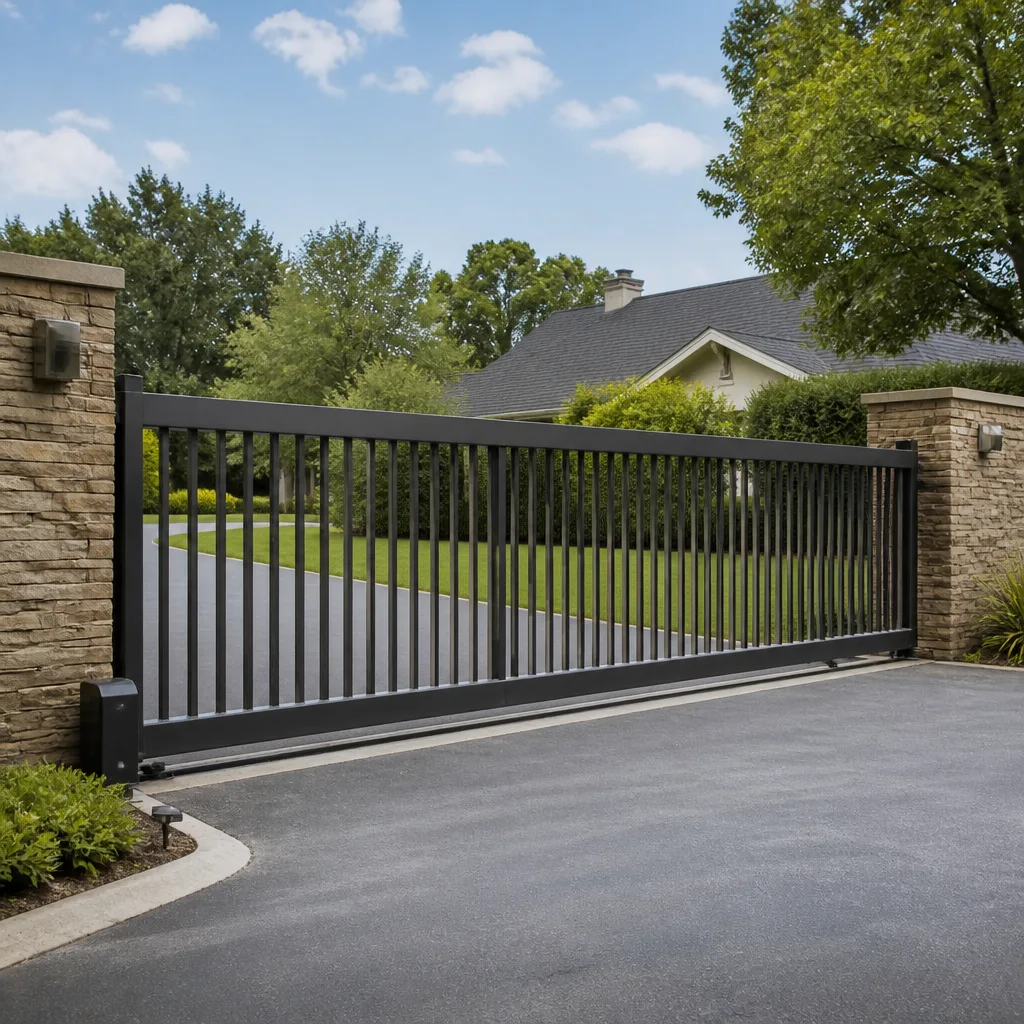 Sliding driveway gates
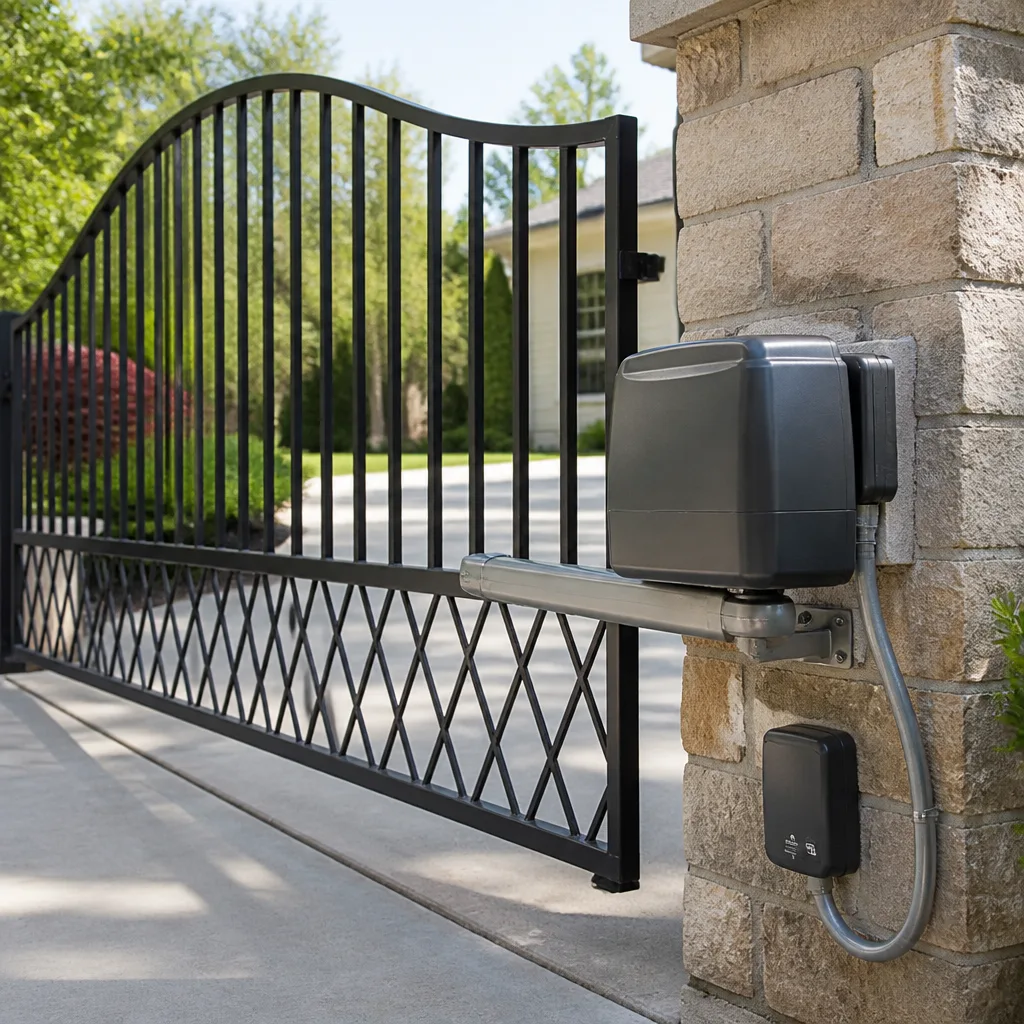 LiftMaster operators
Free on-site gate assessment - hinges, posts, and your LiftMaster or Nice gate operator checked before anything is quoted
The assessment is free and the quote is the invoice.
Get your free estimateSeasonal Gate Repair Care for Fort Worth: Year-Round Homeowner’s Guide
Fort Worth averages fewer than 30 freezing days a year, but when ice hits – like the 2021 winter storm – unprepped gate openers fail within hours. The irony is that summer, not winter, does the slow damage: UV, heat cycling, and thermal expansion quietly degrade components for months before anything obviously breaks. This guide walks you through what actually matters for your gate in Fort Worth, season by season, so you can plan maintenance around the two seasons that truly test your equipment. For a deeper dive, see The Complete Guide to Gate Repair in Fort Worth.
Styles & brands we work with
Quick Answer
Seasonal gate care in Fort Worth means front-loading real preparation before summer heat and winter ice, not spreading tasks evenly across a calendar that doesn’t match our climate. The two critical windows are April – May (pre-heat prep for opener motors, limit switches, and hinges) and October – November (battery backup testing, manual release drills, and weatherstrip inspection). Most Fort Worth homeowners spend $150 – $450 per year on preventive Gate Repair and maintenance, which is far less than the $400 – $1,200 emergency repair bills that come from skipping it.
Table of Contents
- Why Fort Worth’s Seasons Are Different – and Why Your Gate Cares
- Pre-Summer Prep (April – May): What to Do Before Temps Climb Past 90°F
- Surviving Summer (June – September): Heat, UV, and the Slow Damage You Can’t See
- Storm-Season Readiness (October – November): Battery Backup, Manual Release Drills, Weatherstrips
- Winter and the False Spring Problem (December – March): Ice, Sensors, and Unnecessary Service Calls
- Brand-Specific Seasonal Adjustments: LiftMaster, Viking, and Linear in Fort Worth
- Season-by-Season Cost Guide: Budgeting Maintenance vs. Absorbing Surprises
- Common Mistakes to Avoid
- When to Call a Professional
- Frequently Asked Questions
- The Bottom Line
Why Fort Worth’s Seasons Are Different – and Why Your Gate Cares
The idea of four equal seasons works in a lot of places. It doesn’t work here. Fort Worth has two punishing stretches – a long, hot summer and a short but potentially brutal ice-storm window – with two transition periods in between. Your gate opener, hinges, sensors, and battery backup all respond to these conditions in specific, predictable ways. If you schedule maintenance around a generic calendar, you’ll check things in March that don’t need checking and miss the window in May when heat prep actually matters.
We’ve seen it in neighborhoods across Fort Worth, from Tanglewood to Wedgwood to the newer developments near Alliance. A homeowner calls in July because the gate stopped halfway open, and the root cause is a limit switch that was already degrading in April. A homeowner calls in February because the gate won’t budge, and the root cause is a battery backup that was never tested in November. The pattern is consistent: the failure happens in the extreme season, but the cause starts in the transition window.
Here’s the practical takeaway: schedule your serious maintenance work twice a year, in April – May and October – November. Everything else is light-touch monitoring. This matches how Fort Worth’s climate actually behaves, and it’s how professional Gate Repair in Fort Worth services approach preventive care.
The Components Most Sensitive to Seasonal Change
- Limit switches – the small sensors that tell the gate when to stop. They’re sensitive to temperature swings and humidity, and they’re the single most common seasonal failure point we see.
- Battery backups – they degrade faster in heat and fail without warning in cold. A battery that tested fine in October can be dead by February.
- Hinges and rollers – metal expands and contracts with temperature. Over a full Fort Worth summer, that movement loosens hardware and accelerates wear.
- Capacitors and circuit boards – long exposure to 95°F-plus heat inside a metal opener cabinet stresses electronics, especially in older units.
- Weatherstripping and seals – UV breaks down rubber and plastic. Once the seal fails, moisture gets in, and a small problem becomes a Electric Gate Repair in Fort Worth job.
Understanding which components fail in which season helps you prioritize. That’s what the rest of this guide covers, season by season.
Pre-Summer Prep (April – May): What to Do Before Temps Climb Past 90°F
This is the most important maintenance window of the year in Fort Worth, and it’s the one most homeowners skip. Here’s why: once daytime highs pass 90°F consistently – usually by late May – the heat starts doing slow, cumulative damage to your gate system. The work you do in April and early May determines how much trouble you’ll have in July and August.
We recommend a specific pre-summer checklist. You can do some of these yourself. Others are worth having a professional handle, especially if you’re not comfortable working with electrical components or high-tension gate hardware. Not sure which route to take? Our DIY vs Professional Gate Repair: The Fort Worth Homeowner’s Decision Guide breaks it down.
Pre-Summer Checklist: What to Do Before the Heat Arrives
- Test the full open-close cycle 10 times. Watch for hesitation, slow starts, or grinding noises. These are early warning signs that components are stressed. If the gate opens slower than it did last fall, something is working harder than it should be.
- Inspect hinges, rollers, and mounting bolts. After a Fort Worth spring with temperature swings from 40°F to 85°F in a single week, hardware loosens. Tighten what’s accessible. If a hinge shows visible wear, replace it now – a worn hinge in April becomes a broken weld in August.
- Clean photo eye sensors with a dry cloth. Spring pollen, dust, and debris from Fort Worth’s spring storm season coat sensor lenses. A dirty sensor causes phantom reversals and intermittent failures. Don’t use Windex or water – a dry microfiber cloth is all you need.
- Check the opener cabinet for pest intrusion. Mud daubers, wasps, and ants love the dark, warm interior of a gate opener cabinet. By May, nests are being built. A wasp nest inside your opener can short a circuit board. Clear it before it becomes a problem.
- Lubricate moving parts with a silicone-based spray. Use silicone, not WD-40. WD-40 attracts dust and gums up over time. Apply sparingly to hinges, rollers, and the chain if your opener uses one.
- Test the auto-reverse function. Place a cardboard box in the gate’s path. The gate should reverse on contact. If it doesn’t, it’s a safety failure you need addressed immediately.
For the electrical side of things – capacitor testing, circuit board inspection, opener motor draw readings – that’s work we recommend leaving to trained technicians. The pre-summer window is the right time to book a professional inspection if you’re not sure what you’re looking at. Calder Gate Repair Fort Worth performs seasonal inspections that catch about 80% of potential summer failures before they happen, based on what we see in our service history.
Surviving Summer (June – September): Heat, UV, and the Slow Damage You Can’t See
Summer is when the slow damage happens. It’s also when most homeowners stop thinking about their gate entirely – it’s working, so why touch it? That’s exactly when the problems compound. A limit switch that’s slightly out of alignment in June is a completely failed limit switch by September. A drive belt that’s a little loose in July snaps in late August, right when you need the gate to close against the heat.
The Fort Worth summer adds up: 60-plus days above 90°F, direct sun on your opener cabinet from roughly 10 a.m. to 6 p.m., and nighttime lows that barely dip below 80°F in July and August. Your gate opener cabinet traps heat and holds it. Inside that metal box, temperatures regularly run 20 – 30°F hotter than outside air. On a 100°F day, your opener’s internal components are cooking at 120 – 130°F.
That heat does three specific things:
- Thermal expansion loosens mechanical connections. Metal parts expand in heat and contract at night. Over weeks and months, that cycling backs out bolts and shifts alignment. Your gate that closed perfectly in June starts scraping by August.
- Heat accelerates electrical degradation. Capacitors are rated for specific temperature ranges. Running them at sustained high temperatures shortens their lifespan dramatically. A capacitor that would last 8 years in a moderate climate might last 5 years in Fort Worth’s summer heat.
- UV breaks down anything plastic or rubber. Weatherstripping, wire insulation, and plastic housing components all suffer from direct sun exposure. Once the weatherstrip cracks, rain and debris get into the track and the opener housing.
What to Monitor During Summer (Light Touch – No Heavy Maintenance)
- Listen for changes. Is the gate louder than it was in May? The specific sound matters: grinding suggests a bearing issue, screeching suggests a lubrication problem, thumping suggests a track or wheel problem.
- Watch the open-close speed. Slowing down over time is a warning sign. Note the time it takes to open fully. If it goes from 12 seconds to 15 seconds, something is wearing.
- Check the gate path for vegetation growth. Fort Worth’s growing season is aggressive. Bermuda grass, shrubs, and tree limbs encroach on gate paths. A branch that touches the gate edge can trigger the safety reverse and force the gate back open.
- Check gate alignment after any severe storm. Microbursts and high winds shift gate posts. A gate that was plumb in May can be out of alignment after a June thunderstorm.
If you notice any of these changes, call a professional sooner rather than later. Small adjustments in June cost $85 – $150. Full component replacements in August cost $400 – $1,200. The math isn’t complicated.
Storm-Season Readiness (October – November): Battery Backup, Manual Release Drills, Weatherstrips
October and November in Fort Worth are unpredictable. The first real cold front usually arrives in late October, but ice storms can hit as early as late November. The 2021 winter storm is the obvious example, but North Texas has seen significant ice events in 2013, 2015, and 2022 as well. When ice accumulates on your gate and the power goes out, you find out very quickly whether your battery backup works and whether you remember how to use the manual release.
Here’s what to do before the first freeze threat:
- Test the battery backup under simulated load. Disconnect the opener from main power (use the circuit breaker, not the plug – it’s safer). Try to open and close the gate using battery power only. The gate should cycle at least 5 – 10 times on a healthy battery. If it struggles after three cycles, the battery is dying.
- Practice the manual release drill. Every gate opener has a manual release mechanism. In a power outage, you need to be able to open the gate by hand. Find the release – it’s usually a small lever or pull-chain on the opener arm – and practice disengaging it. If you can’t find it or can’t operate it comfortably, call a technician to walk you through it. This takes five minutes in October and saves an hour of frustration during an ice storm at 6 a.m.
- Inspect all weatherstripping and seals. Look along the bottom of the gate, around the opener cabinet, and anywhere wires enter the housing. Cracked or missing weatherstripping lets water in. When that water freezes, it expands and pushes components out of alignment. If the seal is brittle or cracked, replace it now.
- Check the gate track and rollers for accumulated debris. Fall leaves, dirt, and small rocks clog tracks. If water pools in the track and freezes, the gate will seize. Clear it out before the first freeze.
- Consider a professional fall inspection. This is the second major maintenance window of the year. A technician checks electrical connections, verifies battery capacity with a load tester, and catches issues that you can’t see from the outside.
Battery Backup Reality Check
Most gate opener battery backups last 2 – 4 years in Fort Worth’s climate. The heat of summer accelerates internal chemical breakdown. A battery that’s 3 years old should be treated as suspect, even if it passed last winter’s test. Replacement batteries run $150 – $350 for most residential gate openers, including installation. It’s a modest cost compared to being locked out of your own driveway during a power outage.
One more thing to note: some homeowners assume their gate will work manually during an outage, and then discover the manual release is rusted or jammed because it’s never been used. That’s exactly why the drill matters. Do it in November, and you’ll know your gate works one way or another when the power dies.
Winter and the False Spring Problem (December – March): Ice, Sensors, and Unnecessary Service Calls
Winter in Fort Worth is short, but it creates two specific problems: ice damage and the “false spring” sensor issue. Both cause service calls. One deserves the call. The other often doesn’t.
Ice Damage: When the Gate Freezes
Ice forms on the gate, the track, the wheels, and the opener arm. When you try to open a frozen gate, one of two things happens: the opener strains against the ice and eventually trips its internal overload, or it forces the gate open and bends something in the process. Neither is good.
If your gate is frozen, resist the urge to force it. Here’s the right approach:
- Disengage the manual release so the opener isn’t fighting the ice.
- Clear ice from the track and wheels manually. Warm water works, but be careful – it refreezes quickly. A rubber mallet and a scraper are better tools for thick ice.
- Once the gate moves freely by hand, re-engage the opener and test the cycle.
- If the opener smells hot or the motor is buzzing without movement, stop and call a technician. Continuing to run it can burn out the motor or fry the control board.
Ice damage is real, and we’ve seen it in Fort Worth after every significant freeze. A forced-open attempt during an ice storm is the single most common cause of bent gate arms we see in winter service calls. The repair for a bent arm runs $200 – $500. Waiting an hour for the ice to melt costs nothing.
The False Spring Problem: Sensors Confused by Temperature Swings
Fort Worth’s February “false spring” – a week of 75°F followed by a night dipping to 28°F – creates a specific problem with photo eye sensors and limit switches. Rapid temperature swings cause condensation inside sensor housings, and that condensation can cause false triggers or missed signals. The gate reverses for no reason. Or it stops mid-cycle. Or it refuses to close all the way.
Most of these cases resolve on their own once the temperature stabilizes. But hundreds of Fort Worth homeowners call for service every February assuming the opener is dying, when the actual issue is a sensor with condensation behind the lens.
Before you call for service on a misbehaving gate in February, try this:
- Wipe both photo eye lenses with a dry cloth.
- Wait 24 hours. If the problem persists, call.
- If the problem only happens on the coldest mornings and resolves by midday, it’s condensation. It warrants a check to make sure the sensor housings are sealed properly, but not an emergency call.
That said, if your gate is making unusual noises, failing to open at all, or the opener motor runs without moving the gate, don’t wait. Those are mechanical or electrical failures, not condensation quirks.
Brand-Specific Seasonal Adjustments: LiftMaster, Viking, and Linear in Fort Worth
Different brands handle seasonal shifts differently. Here’s what we tell Fort Worth homeowners with three of the most common opener brands in the area: LiftMaster, Viking, and Linear.
LiftMaster
LiftMaster openers – like the popular LA400 and LA500 series – use force sensitivity settings that detect resistance and reverse the gate. In cold weather, the gate moves slightly harder (cold grease, stiffer metal), and the opener’s force settings from summer may trigger unnecessary reversals. In hot weather, the opposite happens: thermal expansion loosens the mechanism, and the force settings from winter are too aggressive.
Seasonal adjustment: Have the force sensitivity checked and adjusted twice a year. It’s a simple adjustment for a technician – typically 15 minutes, included in a seasonal tune-up. Doing it improves cycle consistency and reduces wear on the motor.
Viking
Viking openers are common on larger estate gates in Fort Worth, especially in areas like Mira Vista and the northern suburbs. They’re built heavy, but their limit switches are mechanical and sensitive to temperature change. A limit switch calibrated in November may be off by March because the metal arm has expanded and contracted through 60°F of temperature swing.
Seasonal adjustment: Test the limit switch timing monthly, especially during the fall-to-winter transition. If the gate stops short or overshoots, have a technician recalibrate. It’s a $75 – $120 adjustment that prevents a $500 broken limit switch later.
Linear
Linear openers – the LRA series is common in Fort Worth residential installations – have a known seasonal battery issue. The built-in battery backup circuits are reliable but sensitive to prolonged heat exposure. After two consecutive hot summers, battery capacity typically drops 30 – 50%, even if the battery never “failed.” The result: during a winter power outage, the backup dies after two or three cycles instead of ten.
Seasonal adjustment: If your Linear opener’s battery is more than two years old, have it load-tested every October. Load testing is the only way to know actual capacity – a simple voltage check will tell you the battery is “fine” when it isn’t.
These are three of many brands we service. Ghost Controls, DoorKing, and Elite all have their own seasonal quirks, but the pattern is consistent: heat accelerates degradation, cold exposes it. For more on what’s involved in keeping these systems running, see our Gate Opener Repair in Fort Worth page.
Season-by-Season Cost Guide: Budgeting Maintenance vs. Absorbing Surprises
Here’s what seasonal gate care actually costs in Fort Worth, based on what we see in our service area. These are real ranges, not hypotheticals. Your specific gate, brand, and condition will shift the numbers, but this gives you a planning baseline.
Annual Maintenance Budget: What to Expect
| Season | Typical Task | Cost Range | Who Does It |
|---|---|---|---|
| Spring (April – May) | Full seasonal tune-up: lubricate, tighten, test sensors, check force settings | $120 – $250 | Professional |
| Summer (June – September) | Light monitoring, vegetation clearing, occasional minor adjustment | $0 – $150 | Homeowner or professional |
| Fall (October – November) | Battery load test, manual release drill, weatherstrip inspection, wiring check | $85 – $200 | Homeowner + professional for battery test |
| Winter (December – March) | Ice management, sensor cleaning, addressing cold-weather quirks | $0 – $500 | Homeowner; professional if ice damage occurs |
| Annual total (preventive) | $205 – $600 |
The Alternative: What Breakdowns Cost Without Maintenance
- Failed limit switch: $180 – $350, parts and labor
- Failed capacitor: $120 – $250
- Burned-out opener motor: $500 – $900
- Bent gate arm from ice forcing: $200 – $500
- Failed control board: $400 – $800
- Full opener replacement (parts and installation): $1,200 – $2,800
Skip the maintenance, and the odds of hitting at least one of these in a given year go up sharply. We’ve seen three-season-old openers fail completely because the only “maintenance” they ever got was a call for service when something broke. Preventive care is cheaper than reactive repair – that’s not marketing language, it’s arithmetic.
And remember: every job from Calder Gate Repair Fort Worth comes with a written price before any work starts. You’ll know the exact cost before you agree. The invoice matches the quote. That’s been the standard since we started in 2009, and it applies to every seasonal tune-up, battery replacement, and emergency repair we do across Fort Worth.
Common Mistakes to Avoid
- Using WD-40 on gate hinges and rollers. It displaces moisture but attracts dust and breaks down quickly in Fort Worth’s heat. Within six weeks, the parts are gummier than they were before. Use silicone spray instead.
- Skipping the manual release drill until the power is already out. During the 2021 winter storm, we fielded dozens of calls from homeowners who had never touched their manual release and couldn’t find it in the dark and cold. Practice it in November.
- Forcing a frozen gate open. This is the fastest way to bend a gate arm or strip a gear. It’s also one of the most expensive self-inflicted repairs we see. Give the ice a chance to melt, or clear it manually before cycling the opener.
- Assuming battery backup is fine because the opener works on house power. Battery backups fail silently. The opener works perfectly on AC power while the battery degrades to zero capacity. You only find out during an outage, when it’s too late. Load-test the battery every fall.
- Spreading maintenance evenly across the year. If you’re doing a “monthly check” in June and a “monthly check” in January, you’re spending effort in the wrong places. Fort Worth’s climate demands front-loaded maintenance in spring and fall. Everything between is monitoring, not maintenance.
- Ignoring a gate that “still works but makes a weird noise.” Noise is the earliest warning sign. The grinding bearing in July becomes a seized wheel in December. The screeching roller in August becomes a bent track by March. Small repairs are cheaper than component replacements.
- Replacing parts with generic brands from a big-box store. A generic replacement limit switch might fit, but its tolerance for Fort Worth heat is usually lower than the OEM part it replaces. Cutting cost here adds cost later.
When to Call a Professional
Some seasonal maintenance is DIY-friendly: cleaning sensors, clearing debris, practicing the manual release, watching for alignment issues. Other work genuinely requires a trained technician. Call a professional if you notice the opener motor running without the gate moving, if the gate is visibly sagging or scraping, if you smell burning plastic or wiring near the opener, or if the battery backup fails a load test. High-tension gate hardware and electrical components can cause serious injury if handled improperly – we always recommend a trained professional for anything involving the opener’s internals, high-tension springs, or control wiring.
Calder Gate Repair Fort Worth offers free estimates in Fort Worth – call (682) 432-9830 to schedule a seasonal inspection or troubleshoot a problem. We’re part of the Relay Home Co. family, and every job carries the 365-Day Done Right Promise: if the repair isn’t right, we return and make it right, free of charge.
Frequently Asked Questions
Most Fort Worth homeowners spend $150 – $450 per year on seasonal gate maintenance, which typically includes a spring tune-up ($120 – $250) and a fall inspection with battery load testing ($85 – $200). Call (682) 432-9830 for a free estimate on your specific gate and brand.
Yes. Summer maintenance focuses on heat-related stress: strained motors, thermal expansion, capacitor degradation, and UV damage. Winter maintenance focuses on ice preparation: battery backup capacity, manual release function, and weatherstripping integrity. A single generic tune-up doesn’t cover both sets of issues properly.
Cold temperatures thicken the grease in your opener and gate hardware, increasing friction and triggering the opener’s force-sensitivity safety system. The fix is usually a force-setting adjustment and lubrication with a cold-rated product. If your gate also fails to respond during power outages, the battery backup may be dead.
You can handle sensor cleaning, debris clearing, vegetation trimming, and the manual release drill yourself. Electrical work – capacitor replacement, circuit board repair, motor diagnosis, battery replacement – should be done by a pro who understands gate opener internals and can work safely around high-tension components.
It’s Calder Gate Repair Fort Worth’s written guarantee: if a repair fails within 365 days, we return and fix it at no charge. No fine print, no proration. It applies to every gate opener repair we do in Fort Worth.
Have it load-tested, not just voltage-tested. Load testing measures actual capacity under draw, which is what matters in a real outage. Batteries older than two years in Fort Worth’s heat should be load-tested every fall. Call (682) 432-9830 to schedule a test.
The Bottom Line
Seasonal gate care in Fort Worth isn’t complicated, but it is specific. Front-load your maintenance into April – May and October – November, monitor during summer, and respond prudently to winter ice and false-spring quirks. Budget $150 – $450 a year for preventive care, and you’ll avoid most of the $400 – $1,200 emergency bills that hit unprepared gates. Know your brand, know your battery, and know your manual release. That’s the whole game.
If you want a professional to handle the seasonal schedule, Calder Gate Repair Fort Worth is ready to help. We serve all of Fort Worth with free estimates, written pricing, the 365-Day Done Right Promise, and a live person on the phone 24/7. Call (682) 432-9830 to book your spring or fall tune-up, or visit our Calder Gate Repair Fort Worth home page to learn more about how we work.
Written by Nico Alvarez, Owner at Calder Gate Repair Fort Worth, serving Fort Worth since 2009.
See the difference
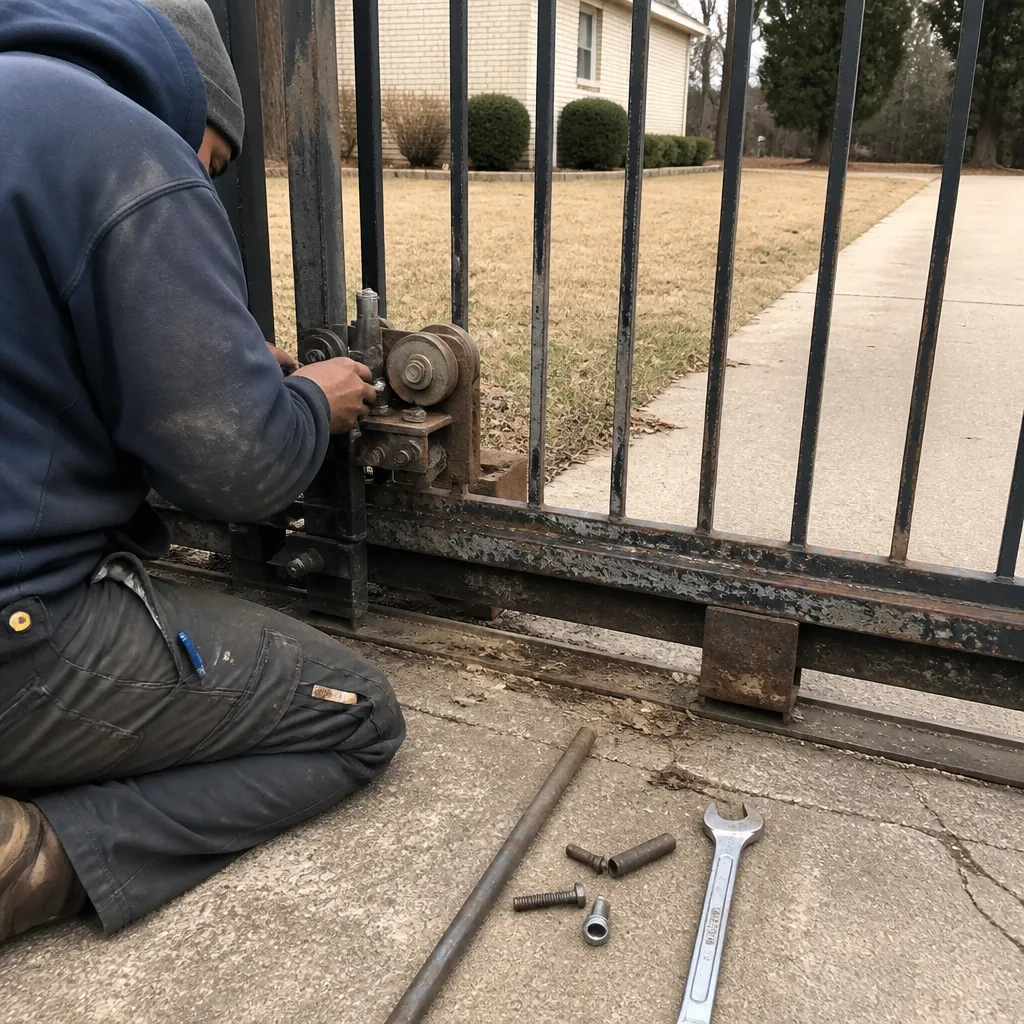 Before
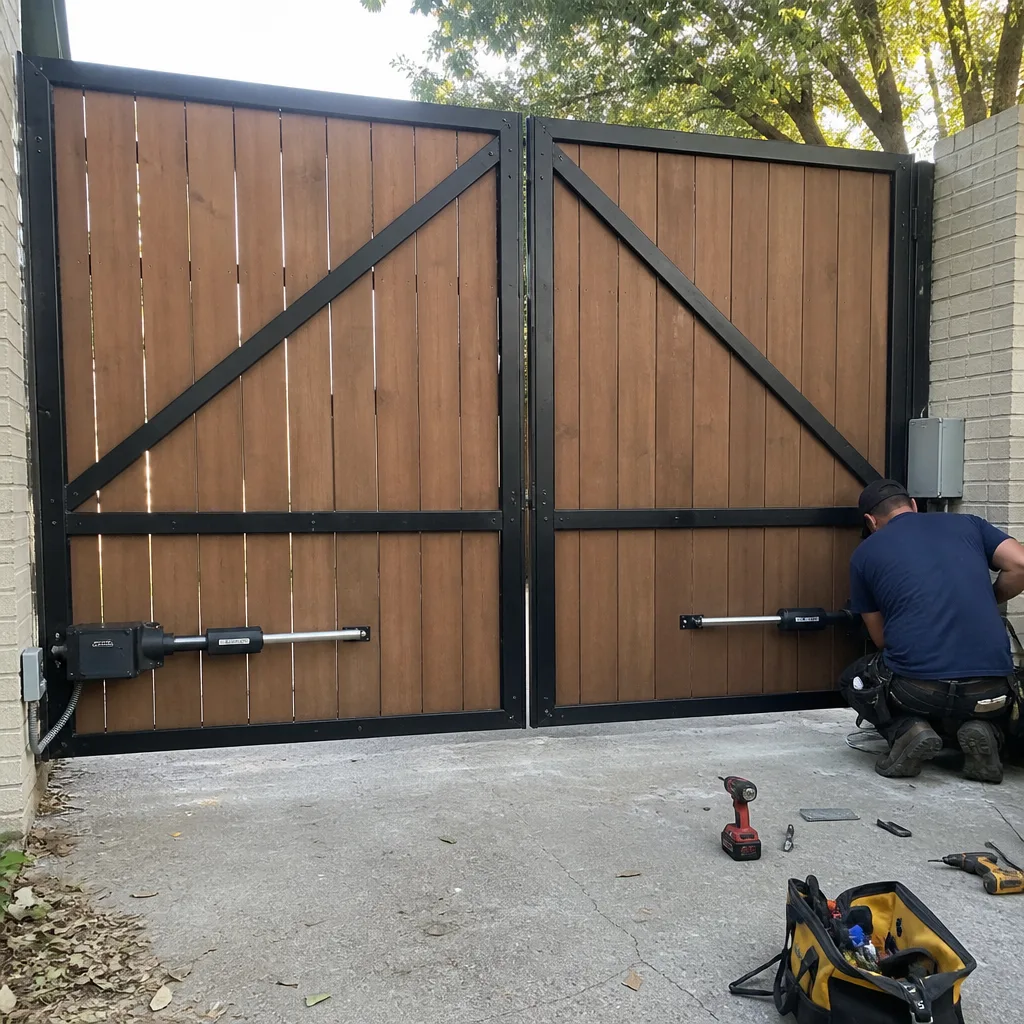 After
After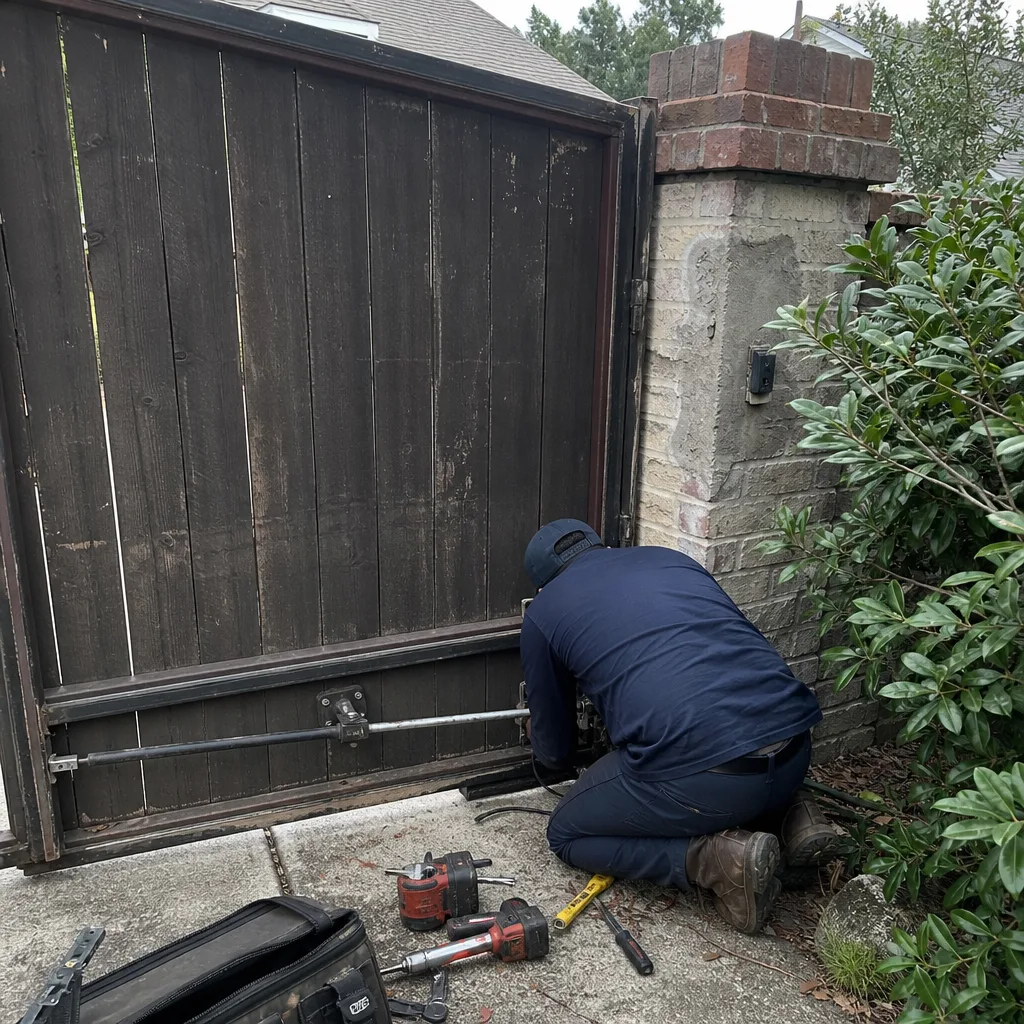 Before
 After
After Before
 After
After