
Last updated October 16, 2026
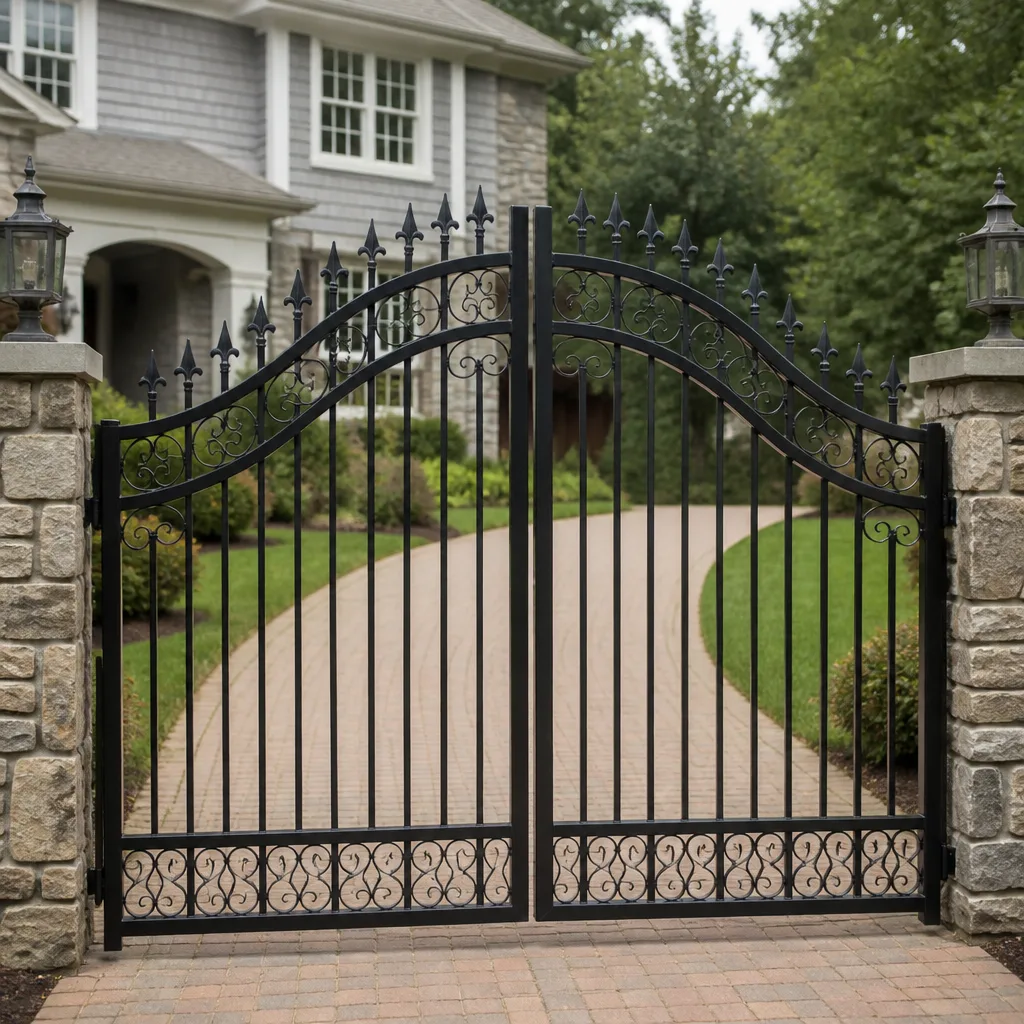 Wrought iron
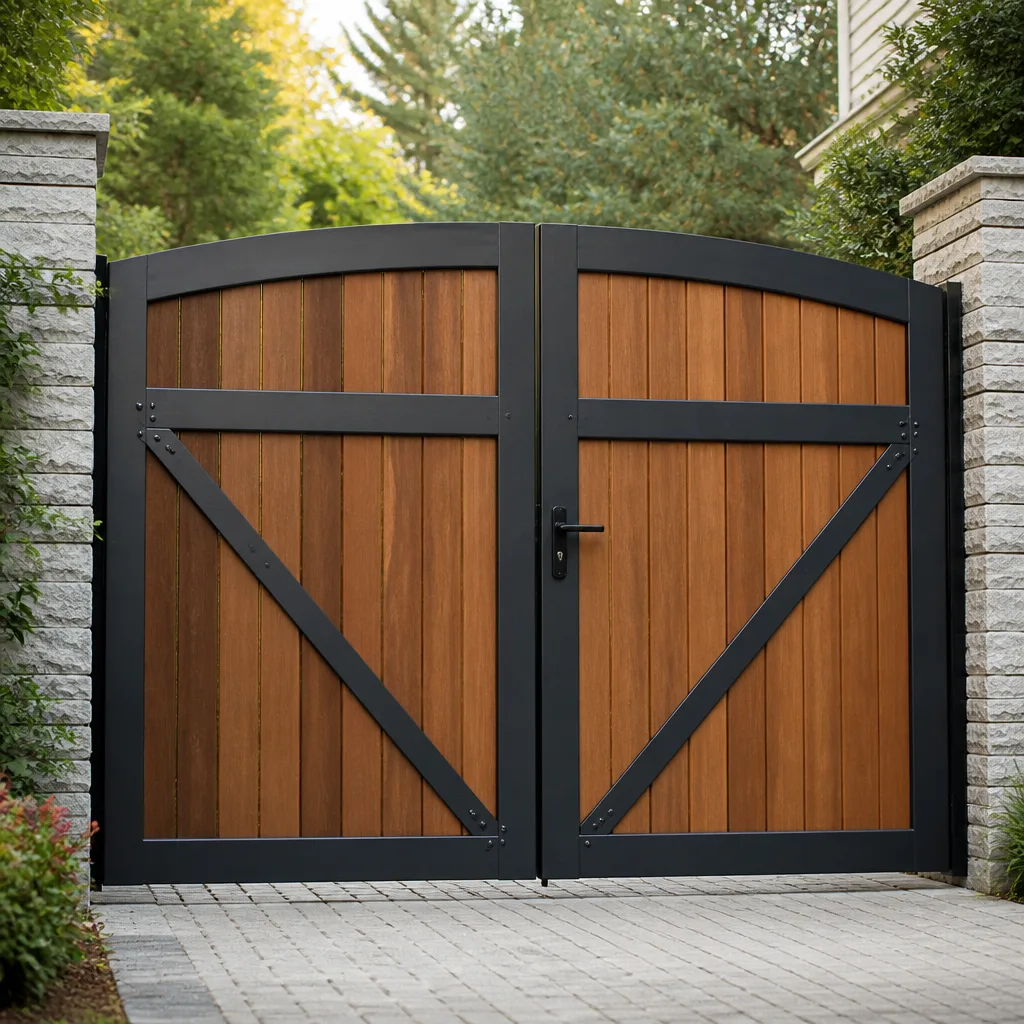 Wood & steel frame
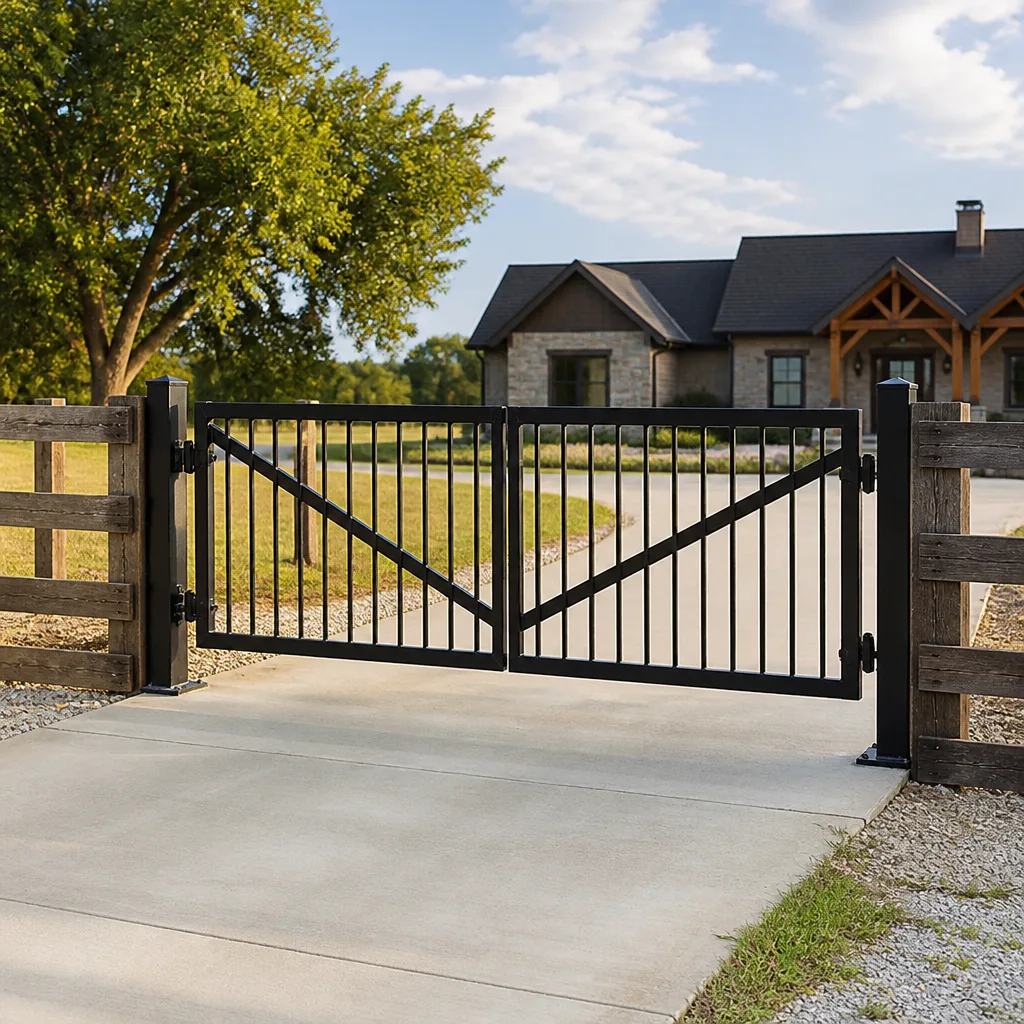 Farm & ranch
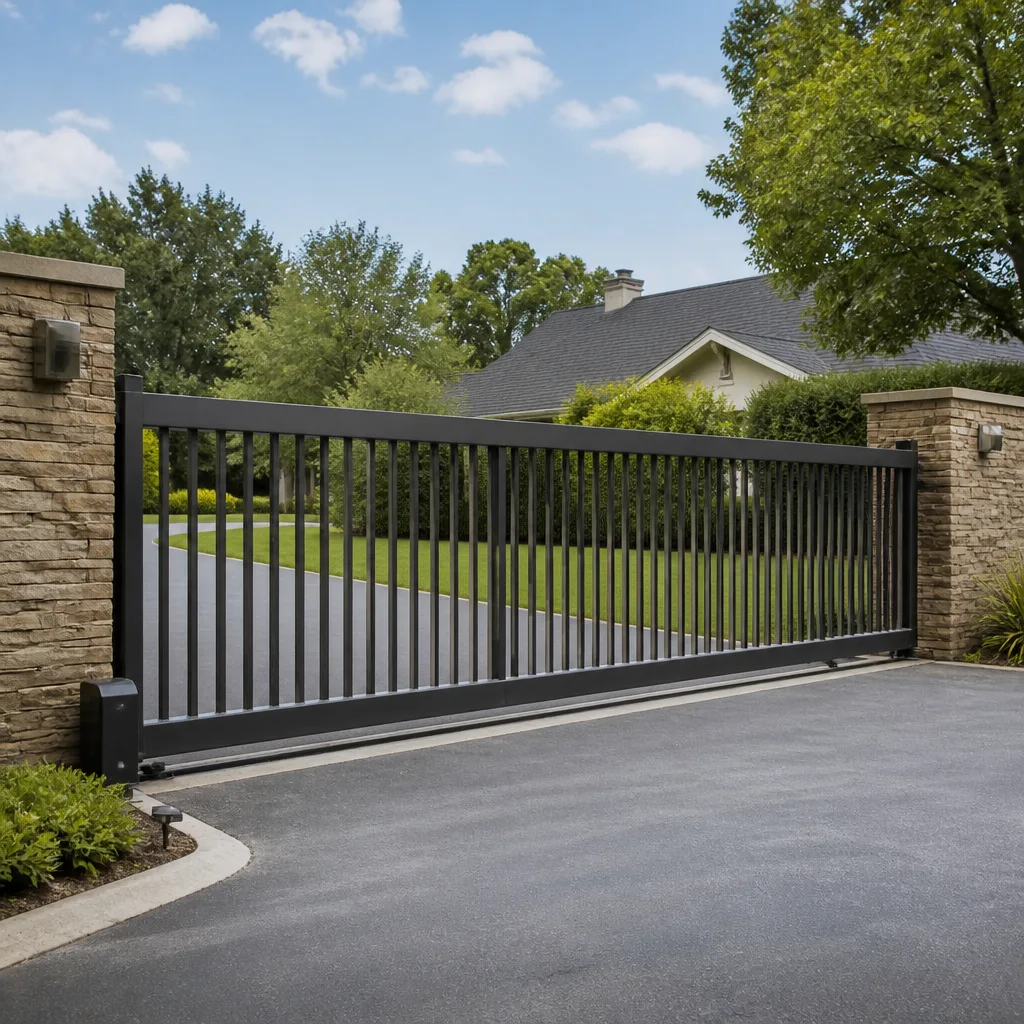 Sliding driveway gates
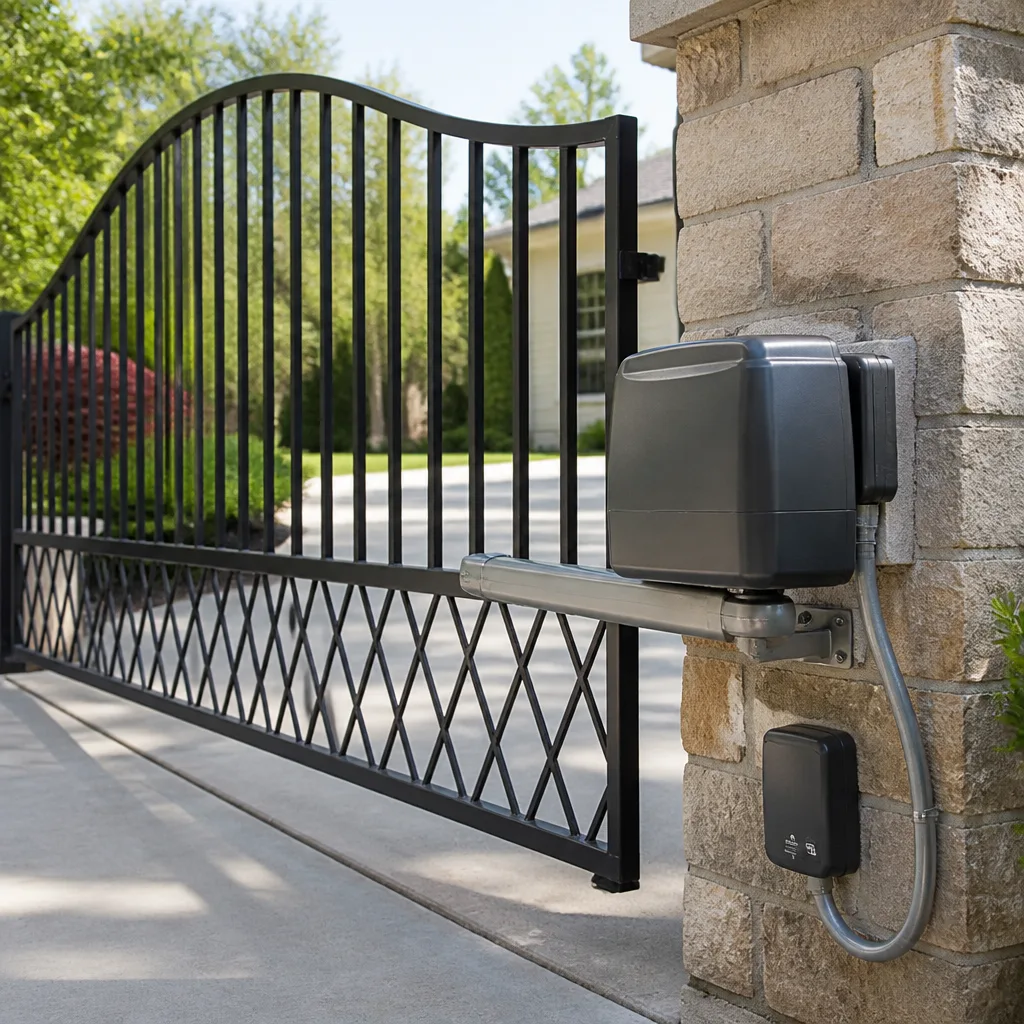 LiftMaster operators
Free on-site gate assessment - hinges, posts, and your LiftMaster or Nice gate operator checked before anything is quoted
The assessment is free and the quote is the invoice.
Get your free estimateGate Repair Permits, Codes & Inspections in TX: What You Need to Know
Replacing a gate opener in Fort Worth usually requires no permit at all. But add a new post, extend a fence line by even a foot, or install a new swing arm on a masonry column, and you may suddenly need a City of Fort Worth Building Services permit – a distinction most contractors never mention upfront. Texas doesn’t issue statewide gate permits. It delegates that authority to roughly 1,200 municipalities and counties, each with its own thresholds, fees, and inspection schedules. What’s exempt in Fort Worth might require full plan review in Burleson or a masonry inspection in Keller. This guide maps the actual local requirements so you don’t get hit with a stop-work order or a fine for a repair you thought was minor.
Styles & brands we work with
Quick Answer
Most gate repairs and opener replacements in Fort Worth do not require a city permit, provided you’re not changing the footprint, adding new footings, or extending the fence line. However, new gate installations, posts set in concrete, electrical work tied to a new circuit, and any modification to a masonry column will likely trigger a permit through the City of Fort Worth Building Services. HOA architectural review is separate from city permitting – you may need approval from both, and the HOA usually takes longer. We’ve mapped Fort Worth, Burleson, Keller, Mansfield, and Aledo below, and we’ve included the real consequences of unpermitted work when you sell the house, because that’s where most homeowners get caught.
Table of Contents
- The Texas Permitting Reality: Why Your City’s Rules Are the Only Rules That Matter
- Fort Worth Specific Thresholds: When a Repair Becomes New Construction
- HOA Architectural Review vs. City Permit: Which One Comes First
- Electrical Gate Installations and the NEC: What Texas Inspectors Actually Check
- Neighboring Cities Calder Serves: Burleson, Keller, Mansfield, and Aledo Compared
- What Happens When Unpermitted Gate Work Is Discovered During a Home Sale
- The Fort Worth Permit Process, Step by Step
- Common Mistakes to Avoid
- When to Call a Professional
- Frequently Asked Questions
- The Bottom Line
The Texas Permitting Reality: Why Your City’s Rules Are the Only Rules That Matter
Texas has no statewide building code for residential gates. The state legislature has consistently left construction regulation to local jurisdictions, which means a gate project that’s perfectly legal in one city can be a code violation two miles down the road. This isn’t a loophole – it’s a structural feature of how Texas governs construction. The Texas Local Government Code grants home-rule cities broad authority to adopt their own building codes, permit requirements, and inspection procedures. Fort Worth is a home-rule city, so it operates under its own ordinance framework, not a state-mandated one.
In practice, this means you need to know the rules for your specific address, not just “Texas rules.” We’ve handled gate repairs across Tarrant, Johnson, and Parker counties, and the variation is real. A slide gate operator swap in Burleson might trigger an electrical inspection that Fort Worth wouldn’t require for the same job. A new driveway gate with a brick column in Keller might need a masonry inspection that Mansfield doesn’t mandate for a wood post design.
Here’s the framework we use to determine whether a project needs a permit, regardless of city:
- Does the project change the footprint? If you’re adding a gate where no gate existed, extending a fence line to accommodate a wider opening, or adding a second gate leaf, you’re changing the footprint. That’s almost always a permit trigger.
- Does the project involve new concrete? Setting new posts, pouring new footings, or adding a concrete pad for an operator arm is structural work. Most cities treat this as new construction, not repair.
- Does the project involve new electrical work? Running a new circuit from the main panel to the gate, adding a dedicated breaker, or installing a new subpanel for a gate opener is regulated under the National Electrical Code. Repairs to existing wiring usually aren’t.
- Does the project modify a masonry structure? Attaching a swing arm to a brick or stone column, rebuilding a column, or adding a decorative cap is structural. Many cities require an inspection even for what looks like a cosmetic change.
- Is this a repair to an existing, permitted installation? Replacing a broken opener, swapping a circuit board, replacing hinges, or rewiring within an existing junction box is generally exempt. This is where most of our work lives.
The takeaway: the word “repair” does most of the heavy lifting in Texas permitting. If a project can be accurately described as returning an existing gate to its permitted, working condition, it’s likely exempt. The moment it becomes an improvement, an addition, or a change in configuration, you’ve crossed the line into permit territory. We tell every Fort Worth customer this on the first call, because it’s cheaper to know the answer before the work starts than to discover it when you’re three weeks from closing on a home sale.
Fort Worth Specific Thresholds: When a Repair Becomes New Construction
The City of Fort Worth Building Services division administers permits under the Fort Worth Building Code, which incorporates the International Residential Code (IRC) with local amendments. The city’s official position is that ordinary repairs – work that restores something to its original condition without changing its size, location, or function – do not require a permit. But the interpretation of “ordinary repair” is narrow, and we’ve seen it trip up homeowners who assumed they were in the clear.
Here are the specific thresholds in Fort Worth where a gate project crosses from repair to new construction:
New gate where no gate existed. If you’re adding a driveway gate to a property that never had one, that’s new construction. You’ll need a building permit, and depending on the design, possibly a separate electrical permit for the opener. The city treats the gate as a new structure, not an accessory to an existing fence.
New posts or footings. Replacing a gate leaf on existing posts is a repair. Setting new posts, even if they’re the same size as the old ones, is new construction. The city’s rationale: the footing is a structural element, and new concrete work requires an inspection to verify depth, diameter, and setback from property lines.
Extending the fence line. If your new gate is wider than the old opening and you need to move a fence post to accommodate it, you’ve triggered a permit. In Fort Worth, fence modifications that change the property’s perimeter require review for setback compliance, height restrictions, and easement encroachment.
Modifying a masonry column. Attaching a new swing gate arm to a brick or stone column is a structural modification. The city requires a permit because the attachment can compromise the column’s integrity if not done correctly, especially on older columns built before current mortar and anchor standards.
Electric gate opener with a new circuit. Replacing an opener that’s already wired on an existing circuit is a repair. Running a new circuit from the breaker panel, adding a dedicated breaker, or installing a new outdoor receptacle for the opener is new electrical work and requires an electrical permit with a final inspection.
What does this mean in real terms? Most Gate Repair in Fort Worth calls we handle – opener swaps, circuit board replacements, hinge repairs, sensor realignments, wiring repairs within existing boxes – are permit-exempt. That’s the good news. The bad news is that the moment a homeowner decides to upgrade from a single gate to a double gate, add a pedestrian gate beside a new driveway gate, or replace old wood posts with steel posts set in new concrete, they’re in permit territory. And the average homeowner doesn’t know that until the city sends a notice or a home inspector flags it during a sale.
HOA Architectural Review vs. City Permit: Which One Comes First
HOA approval and city permitting are two separate processes with two separate timelines, and getting the order wrong is one of the most expensive mistakes a Fort Worth homeowner can make. The HOA cares about aesthetics, consistency, and property values. The city cares about safety, setbacks, and code compliance. They don’t talk to each other, and one doesn’t satisfy the other.
Get the HOA approval first. Here’s why: HOA architectural review committees in Fort Worth suburbs like Keller, Burleson, and Mansfield can take 30 to 60 days to review a gate proposal. The city of Fort Worth can usually process a simple residential gate permit in 7 to 14 days. If you apply for both simultaneously and the HOA rejects your design, you’ve already paid for a city permit that’s now useless, because you’ll have to resubmit the HOA plan, wait again, and then apply for an amended city permit.
The smarter sequence:
- Review your HOA’s governing documents. Look for the architectural guidelines, design standards, and any specific provisions about gates, fences, and driveway structures. Some HOAs in Tarrant County have explicit restrictions on gate height, material, color, and even opener type. One Keller HOA we work with requires slide gates instead of swing gates on corner lots, which changes the entire project scope.
- Submit your architectural request form. Include drawings, material specifications, paint colors, and gate opener details. Don’t submit a vague description like “new driveway gate.” Submit a real plan showing dimensions, materials, and the opener brand you intend to install. HOAs in this area respond faster to complete submissions.
- Wait for written approval. Verbal approval doesn’t count. You need the signed architectural review form or an email from the committee stating the design is approved. Save it. You’ll need it if you sell the house.
- Apply for the city permit. Once you have HOA approval in hand, apply for the city permit. Use the approved design. Don’t deviate from it, because if a neighbor complains and the HOA sees a gate that doesn’t match the approved plan, you’ll be asked to modify or remove it at your own expense.
One more nuance: not all Electric Gate Repair in Fort Worth work triggers HOA review. Most HOAs only require architectural review for new installations or significant exterior changes. Replacing a failed opener on an existing gate is generally not a reviewable change, because the exterior appearance doesn’t change. But if you’re swapping a visible swing arm for a different brand that mounts differently, or changing the gate’s automation from a swing operator to a slide operator that requires new track work, you should check your HOA documents. Some HOAs have specific rules about visible operator hardware.
Electrical Gate Installations and the NEC: What Texas Inspectors Actually Check
Texas adopted the National Electrical Code (NEC) as the baseline for electrical work statewide, and Fort Worth enforces the NEC through its electrical inspection program. If your gate opener installation involves new electrical work – a new circuit, a new subpanel, or a new outdoor receptacle – the city will send an electrical inspector to verify compliance. Here’s what they’re checking, and why it matters for your gate.
Ground-fault circuit interrupter (GFCI) protection. The NEC requires GFCI protection for any receptacle installed outdoors, including the one feeding your gate opener. If the inspector finds a non-GFCI outlet within reach of the gate area, the inspection fails. This is the most common electrical inspection failure we see on gate installations in Fort Worth.
Buried conduit depth. If you’re running power to a gate from the house, the conduit must be buried at the depth specified by the NEC for the wire type. Direct-burial cable has different depth requirements than conduit. The inspector will verify the trench depth before it’s backfilled, which means you need to schedule the rough-in inspection before covering the trench.
Disconnect means. The NEC requires a disconnect switch within sight of the gate opener motor. The inspector will look for it. If there’s no disconnect, the opener can’t be serviced safely, and the inspection won’t pass. This applies to new installations and significant electrical modifications.
Proper bonding and grounding. Metal gate frames, posts, and operator housings must be properly bonded to the equipment grounding conductor. This protects against stray voltage and lightning damage. The inspector will check the bonding connections, especially on steel and aluminum gates.
Low-voltage control wiring. Many gate openers run low-voltage control wiring for safety sensors, keypads, and intercom systems. The NEC has specific rules for how low-voltage wiring must be separated from line-voltage wiring. Mixing the two in the same conduit is a violation that inspectors catch regularly.
In our experience, the electrical side of a gate installation is where most DIY projects and handyman jobs go wrong. The mechanical part – mounting the opener, setting the travel limits, adjusting the clutch – is straightforward by comparison. The electrical part involves code requirements that aren’t obvious unless you work with them regularly. We’ve repaired installations where a homeowner ran Gate Opener Repair in Fort Worth wiring through the same conduit as the 120-volt line, creating a short that fried the control board. The repair cost more than the correct installation would have in the first place.
For new gate automation with dedicated electrical, we always recommend pulling the electrical permit and scheduling the inspections. The alternative – doing the electrical work unpermitted – saves a few hundred dollars up front and creates a liability that follows the house until the work is either permitted retroactively or discovered during a sale.
Neighboring Cities Calder Serves: Burleson, Keller, Mansfield, and Aledo Compared
Calder Gate Repair Fort Worth serves the broader Tarrant County market, and the permitting landscape changes city by city. Here’s a practical comparison based on our work in each jurisdiction.
Burleson
Burleson requires a building permit for any new gate installation with posts set in concrete, and the city inspects the footing depth before concrete is poured. The inspection schedule is tighter than Fort Worth’s – Burleson’s development services department typically schedules inspections within 48 hours, but they’re strict about the rough-in stage. Fence and gate permits in Burleson are also tied to the city’s zoning ordinance, which has specific rules about gate height and setback from the street. A gate that’s taller than the fence or that protrudes into the front setback can trigger a zoning review, not just a building review.
Keller
Keller is one of the stricter jurisdictions we work in. New masonry columns attached to gate installations require a separate masonry inspection, which isn’t a standard requirement in Fort Worth. Keller also enforces a visibility triangle rule: driveway gates must not obstruct sight lines at intersections, and the city checks this during the permit review. If your gate is within 25 feet of a corner, the design may need to be adjusted. Keller’s permit fees for residential fence and gate work are also higher than Fort Worth’s, and the city requires a final inspection before the permit is closed.
Mansfield
Mansfield has streamlined its residential permit process in recent years. Simple fence and gate permits can be applied for online, and the city processes them quickly – often within 5 to 7 business days. The key distinction in Mansfield is that any electrical work associated with a gate opener requires a separate electrical permit, even if it’s tied to an existing circuit. That’s a stricter interpretation than Fort Worth’s. Mansfield also requires the gate to match the existing fence in height and material, which you’ll need to document in the permit application.
Aledo
Aledo is smaller and less formal. Residential gate permits are issued through the city’s building inspection department, but the process is more conversational. The threshold for requiring a permit is lower than Fort Worth’s – any new post, regardless of whether it changes the property footprint, requires a permit. The city inspects footings and final work, but the timeline is flexible. That flexibility cuts both ways: it’s easier to get a permit in Aledo, but it’s also easier to do unpermitted work that never gets caught until a home inspection.
The point of this comparison isn’t to discourage you from doing a gate project. It’s to show that the answer to “Do I need a permit for this gate?” depends on your address. We check the current requirements for every job we quote, because the rules change and because the cost of getting it wrong – a stop-work order, a fine, a failed home inspection – always exceeds the cost of doing it right.
What Happens When Unpermitted Gate Work Is Discovered During a Home Sale
This is the section most homeowners skip until it’s too late. Unpermitted gate work rarely causes problems while you’re living in the house. It causes problems when you sell, and the consequences are more predictable than most people expect.
The home inspection flags it. A competent home inspector will look at the gate, the opener, the electrical run, and the posts. If the work looks recent and there’s no permit on file with the city, the inspector will note it as a potential unpermitted improvement. In a competitive market, the buyer’s agent will use that as leverage. In any market, it becomes a negotiating point.
The buyer’s lender gets involved. If the buyer is using FHA, VA, or conventional financing with strict appraisal requirements, unpermitted work can stall the loan. The appraiser may require the work to be permitted retroactively before the loan can close. That means pulling the permit after the fact, opening the wall or trench if needed, and scheduling an inspection – all under a closing deadline.
The city can require retroactive permitting. The City of Fort Worth has the authority to require permits for unpermitted work discovered through a complaint or a public record search. The process is not punitive in most cases, but it’s not cheap. You’ll pay the original permit fee plus any late fees, and you’ll need to bring the work into current code compliance, which may require changes to the original installation.
The buyer can demand a price reduction or credit. In practice, this is the most common outcome. The buyer’s agent identifies the unpermitted gate, the buyer asks for a credit to cover the cost of permitting and any necessary corrections, and the seller either accepts the credit or risks the deal falling through. A credit of $1,500 to $3,000 is not unusual for unpermitted gate work with electrical involved.
The title company may flag it. Title companies in Texas are increasingly checking for unpermitted improvements as part of the title search process. If they find evidence of recent gate construction with no permit, they may add an exception to the title policy, which can complicate the closing.
None of this is hypothetical. We’ve been called in to correct unpermitted gate work that was discovered during a home sale in Fort Worth more times than we can count. The pattern is always the same: the previous homeowner saved a few hundred dollars by skipping the permit, and the new owner is paying thousands to bring the work into compliance. If you’re doing gate work that requires a permit, get the permit. The cost is a fraction of what non-compliance will eventually cost you.
The Fort Worth Permit Process, Step by Step
If you’ve determined that your gate project in Fort Worth requires a permit, here’s the process, step by step. This is the path we follow for our customers, and it works for anyone doing a permitted gate installation.
- Determine the permit type. A simple gate with new posts is a building permit. A gate opener with new electrical work is a building permit plus an electrical permit. A gate attached to a masonry column may also require a structural review. Call the City of Fort Worth Building Services at (682) 432-9830 if you’re not sure.
- Prepare the application materials. You’ll need a site plan showing the gate’s location on the property, a drawing of the gate design, and specifications for the materials and the opener. If the gate is near a property line, show the setback distances.
- Submit the application. Fort Worth accepts permit applications online through the Accela Citizen Access portal. You can also apply in person at the Building Services office on Main Street. The online portal is faster, and you’ll get email updates as the application moves through review.
- Pay the permit fee. Fees vary based on the project’s valuation. A typical residential gate permit in Fort Worth runs $75 to $300, depending on scope. Electrical permits are usually $50 to $150. The city will calculate the exact fee when you submit.
- Schedule the inspections. Most gate projects require at least two inspections: a footing inspection before the concrete is poured, and a final inspection after the gate and opener are installed. If electrical work is involved, you’ll have a rough-in electrical inspection and a final electrical inspection.
- Complete the work and close the permit. After the final inspection passes, the permit is closed and the work is officially recorded as permitted. Keep a copy of the closed permit. You’ll want it when you sell the house.
The timeline from application to closed permit is typically 2 to 4 weeks for a straightforward gate project. The inspection scheduling is the variable – Fort Worth’s inspection wait times fluctuate with construction volume, and peak season in the spring and summer can add a week or two.
If you’re working with a contractor, the contractor should handle the permit process. Ask to see the permit before work starts. A licensed contractor who’s willing to pull the permit is a sign that the work will be done to code. A contractor who suggests skipping the permit is a red flag, regardless of how much money it saves.
Common Mistakes to Avoid
- Assuming all gate work is exempt because it’s a repair. The city’s definition of repair is narrow. If you’re changing the footprint, adding new posts, or modifying a structure, it’s not a repair – it’s new construction, and it needs a permit.
- Skipping HOA review because the city doesn’t require a permit. HOA rules are independent of city codes. A gate that’s perfectly legal under Fort Worth’s ordinance can still violate your HOA’s design standards, and the HOA can force you to change it at your own expense.
- Running new electrical for a gate opener without an electrical permit. This is the mistake that causes the most expensive corrections. Unpermitted electrical work is a safety issue, a code violation, and a guaranteed red flag during a home inspection.
- Pouring concrete footings before the rough-in inspection. The inspector needs to see the trench and the footing forms before the concrete goes in. Pouring first means breaking it out later. We’ve seen this happen in Burleson and Keller, where the inspection schedule is tight and impatience gets expensive.
- Ignoring the visibility triangle rules in Keller and other incorporated cities. A gate that obstructs sight lines at an intersection is a code violation, and the city can require removal regardless of whether the gate was permitted.
- Using a handyman for work that requires a licensed electrician. Gate openers on new circuits require electrical work that a handyman without a Texas electrical license cannot legally perform. The liability for that work falls on the homeowner, not the handyman.
- Throwing away the permit paperwork. A closed permit is your proof that the work was done correctly. When you sell the house, that paperwork can be worth thousands of dollars in negotiating leverage.
When to Call a Professional
Some gate work is genuinely DIY-able – replacing a keypad battery, lubricating hinges, tightening a loose bolt – but for trickier jobs, browse our more guides & resources first. Other work crosses into territory where the cost of a mistake exceeds the cost of a professional from the start. If your gate involves a new post, new concrete, new electrical, or a swing arm mounted to a masonry column, call someone who does this work every day. The same goes for any repair involving high-tension gate springs or counterbalance mechanisms: a spring under tension can release with enough force to cause serious injury, and that’s not a risk worth taking. Calder Gate Repair Fort Worth offers free estimates in Fort Worth – call (682) 432-9830 and we’ll tell you whether the work needs a permit, what it will cost, and what the process looks like, before any work starts.
Frequently Asked Questions
No permit is required to replace a gate opener on an existing gate in Fort Worth, as long as you’re not changing the gate’s footprint, adding new posts, or running new electrical from the breaker panel. Replacing the opener on the existing circuit is considered a repair. If you’re also adding a new circuit or a new outdoor receptacle for the opener, you’ll need an electrical permit. Call (682) 432-9830 if you’re not sure whether your specific job triggers a permit – we’ll tell you straight.
A typical residential gate permit in Fort Worth runs $75 to $300, plus $50 to $150 for an electrical permit if the opener requires new wiring. The city calculates the final fee based on the project’s declared valuation. HOA architectural review fees, if your HOA charges them, are separate and typically run $25 to $100. Call (682) 432-9830 for a free estimate on the full project, including permit costs.
Officially, no – the city will process your permit regardless of your HOA’s position. Practically, yes – you should get HOA approval first, because if the HOA rejects your design after you’ve pulled the city permit, you’ll have to amend the permit and pay additional fees. HOAs in Fort Worth, Keller, and Burleson can take 30 to 60 days to review, while the city processes in 7 to 14 days, so the HOA is the bottleneck.
The home inspector flags the unpermitted work, the buyer’s lender may require retroactive permitting before closing, and you’ll likely negotiate a credit in the $1,500 to $3,000 range to cover the buyer’s cost of bringing the work into compliance. In some cases, the city can require retroactive permits and charge late fees. The cost of the original permit would have been a fraction of that.
Only if the installation involves new electrical work. A new circuit, new subpanel, or new outdoor receptacle for a gate opener requires an electrical permit and inspection under the National Electrical Code as adopted by Fort Worth. Replacing an opener on an existing circuit does not require an inspection. The inspector will check GFCI protection, buried conduit depth, disconnect location, and proper bonding.
Yes. We handle the permitting process for every job that requires it, from determining the permit type to scheduling the inspections and closing the permit. You’ll get a written price before any work starts, and the permit cost is included in that price. Call (682) 432-9830 for a free estimate and we’ll tell you exactly what your project needs.
The Bottom Line
Texas leaves gate permitting to the cities, and the cities disagree with each other. Fort Worth exempts most repairs but requires permits for new construction, new posts, extended fence lines, and new electrical. The surrounding cities – Burleson, Keller, Mansfield, and Aledo – each have their own thresholds and quirks. HOA approval is a separate process that should come first, and the electrical work is governed by the NEC as adopted locally. The cost of skipping a permit is always deferred, never avoided – it shows up when you sell the house, and it’s measured in thousands. Know your city’s rules, get the HOA approval in writing, pull the permit when the project requires it, and keep the paperwork. That’s the whole game.
Written by Nico Alvarez, Owner at Calder Gate Repair Fort Worth, serving Fort Worth since 2009.
See the difference
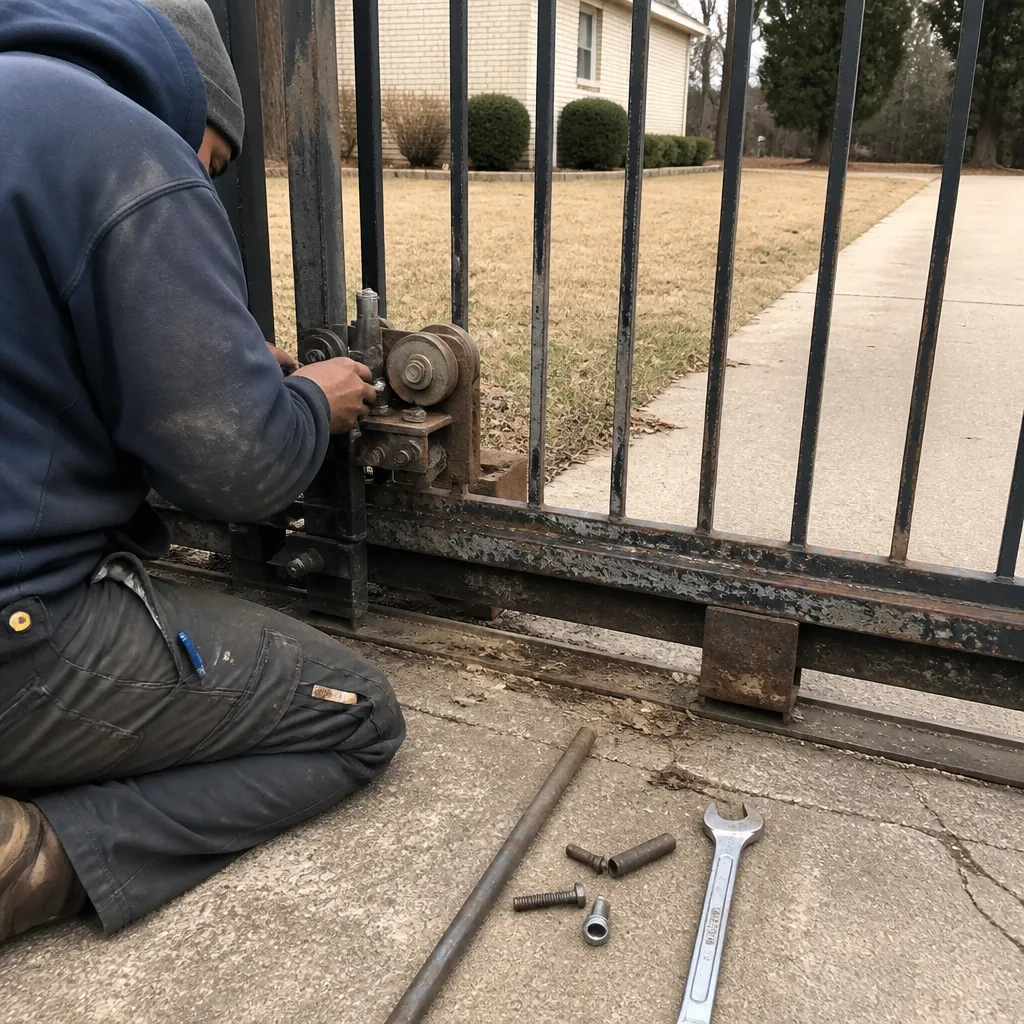 Before
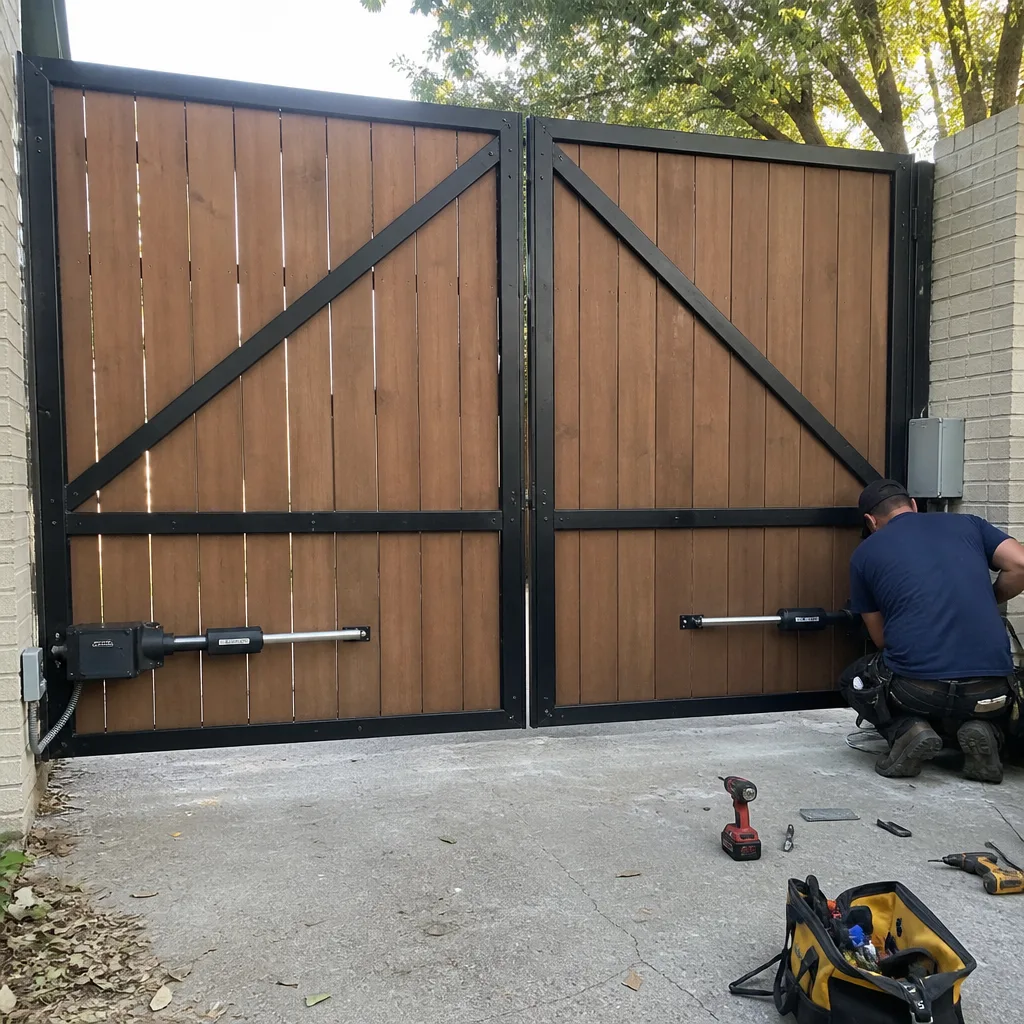 After
After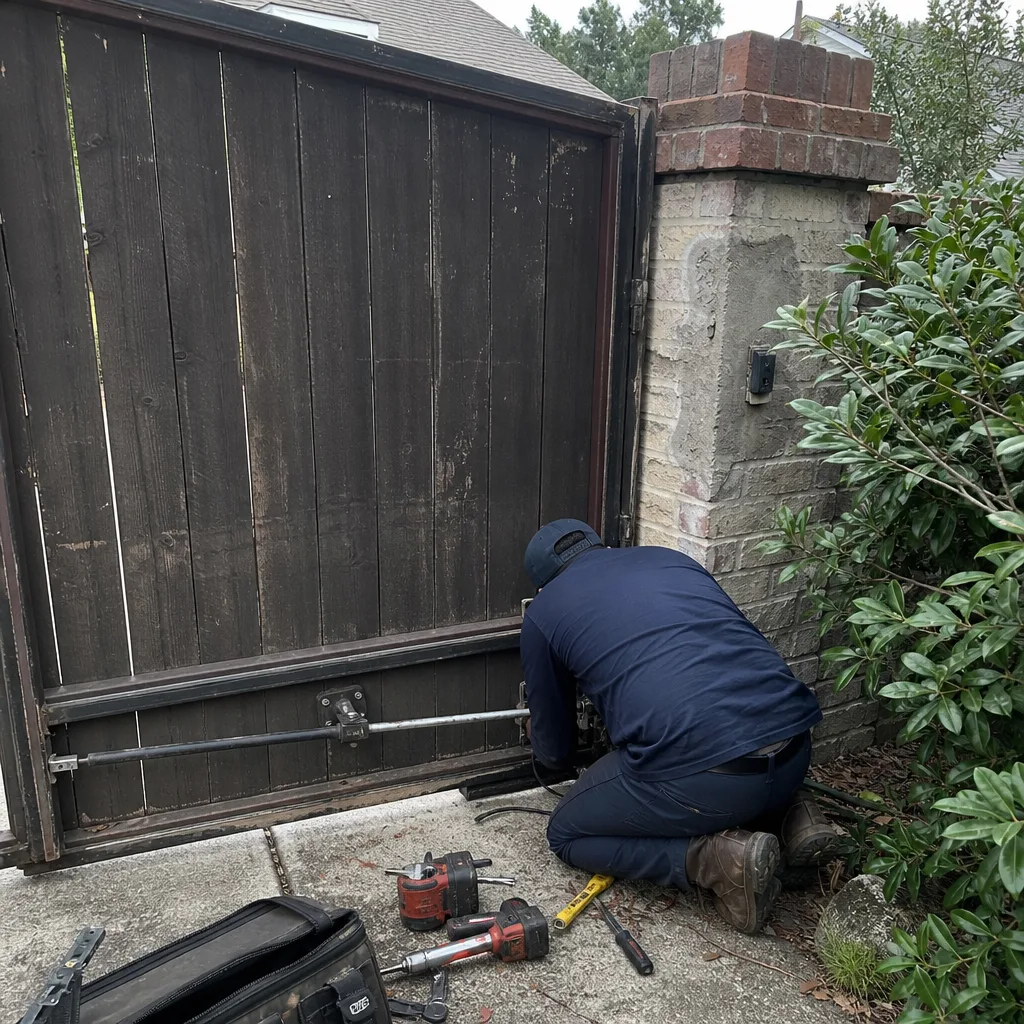 Before
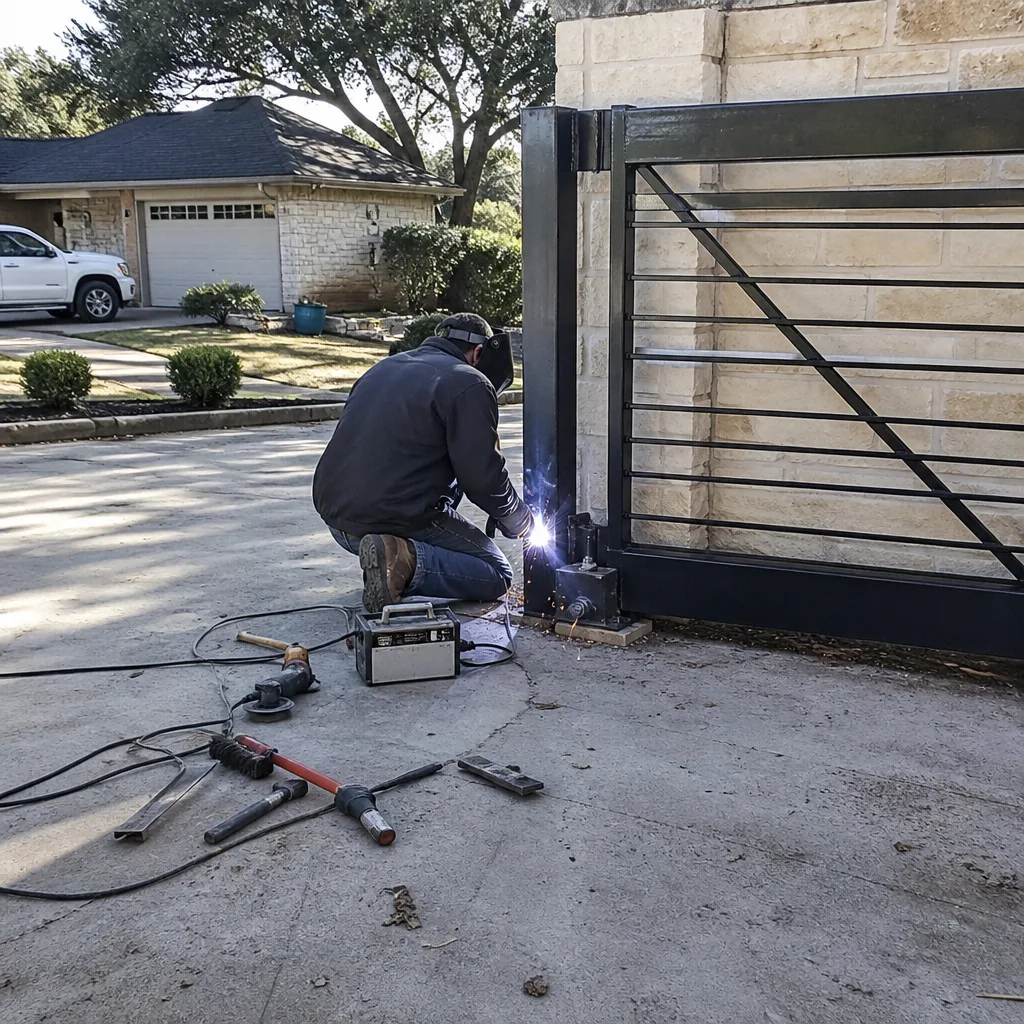 After
After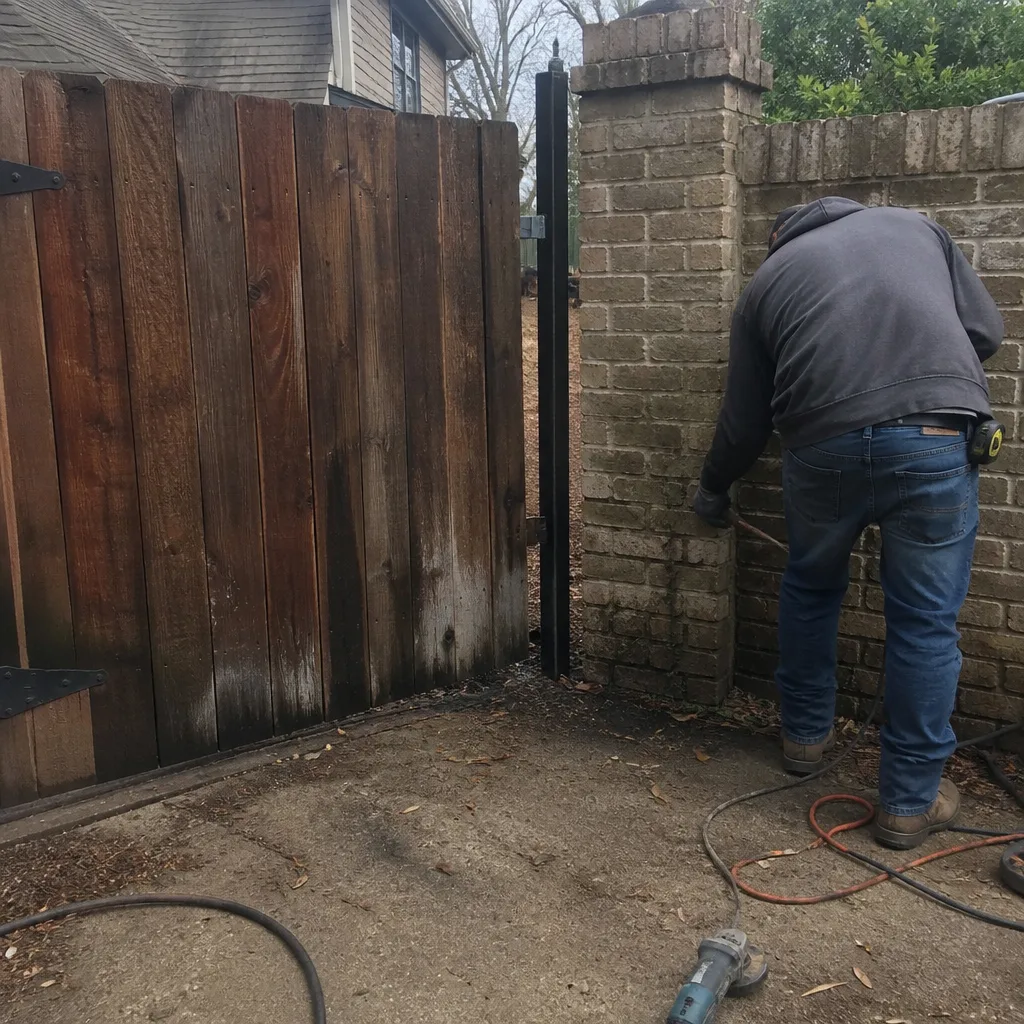 Before
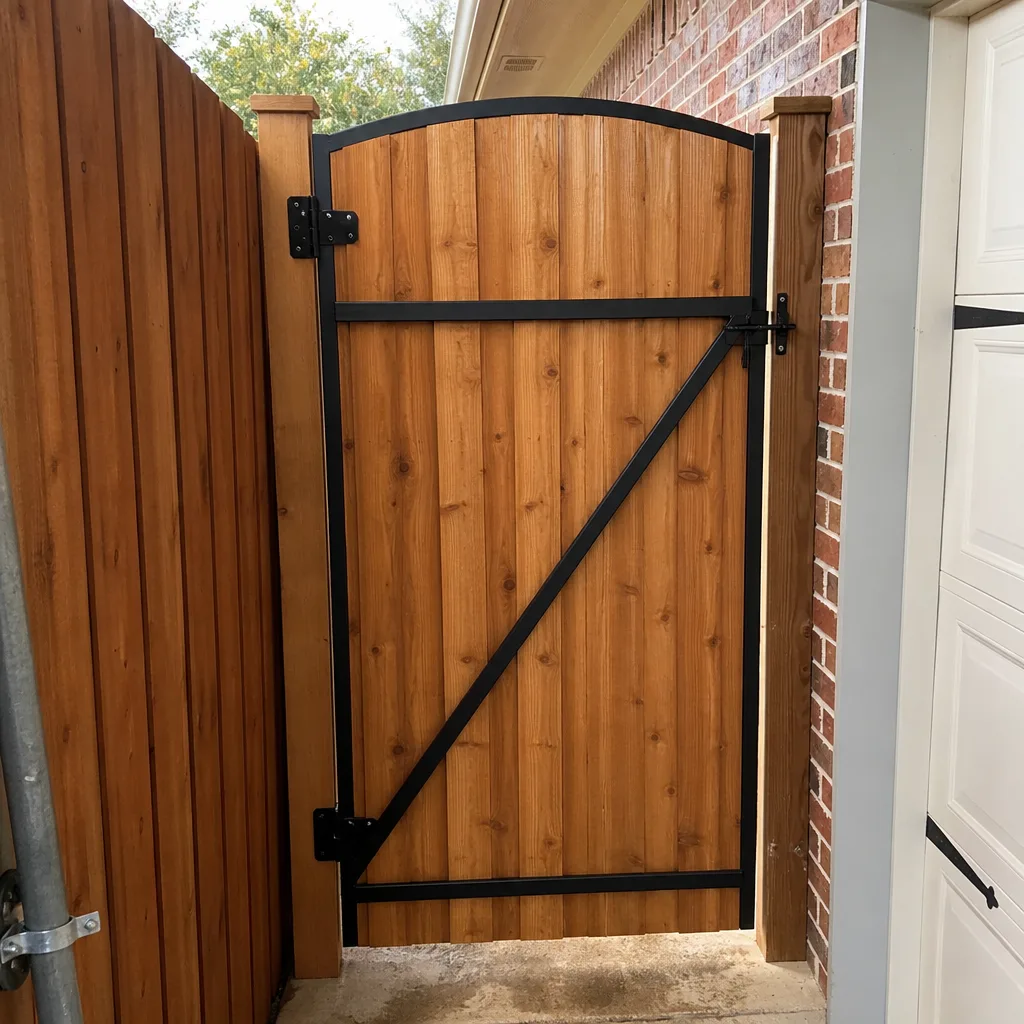 After
After